
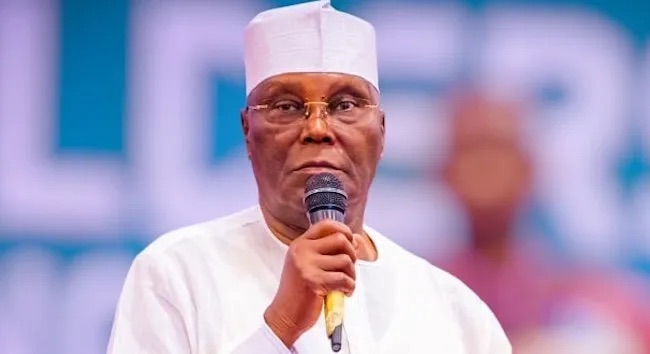
Former Vice President Atiku Abubakar has described some young Nigerian governors as inexperienced, blaming what he called poor performance in several states on a lack of leadership exposure and weak guidance from the federal level.
Speaking during an interview on Arise News on Wednesday night, Atiku said a number of states led by younger politicians are “failing woefully,” arguing that leadership at that level requires more experience than many currently possess.
According to him, the situation is compounded by the absence of strong and experienced leadership at the national level, which he believes should provide direction and mentorship to state governors.
“There is a clear and stark difference,” Atiku said, noting that younger leaders often struggle without the benefit of guidance from a capable president.
The former vice president also drew comparisons with past administrations, citing the tenure of Goodluck Jonathan. While describing Jonathan as a “decent” leader, Atiku argued that his inexperience contributed to challenges faced during his presidency, particularly in managing national issues.
Atiku further characterised the issue as systemic, suggesting that Nigeria has repeatedly experienced leadership gaps at both state and federal levels due to insufficient experience among those in power.
He added that expectations for young leaders have not been fully met, emphasising the need for mentorship and political tutelage from more experienced figures.
The comments come amid ongoing debates about the role of youth in governance, especially in a country where a significant portion of the population is under 30. While some analysts argue that younger leaders bring innovation and energy, others maintain that governance requires years of political and administrative experience.
Atiku, a long-standing figure in Nigeria’s political landscape since the return to democratic rule in 1999, has remained an influential voice in discussions on leadership and governance, having contested the presidency multiple times.
His remarks are expected to further fuel conversations around the balance between youth representation and experience in Nigeria’s evolving political space.
