
Peter Obi and Kwankwaso Lead Mass Defections as INEC’s May 10 Deadline Shakes Nigeria’s Opposition to Its Core
Nigeria’s opposition landscape is in freefall. Former Anambra State governor and 2023 Labour Party presidential candidate Peter Obi, alongside former Kano State governor Senator Rabiu Musa Kwankwaso, have formally dumped the African Democratic Congress (ADC) and defected to the Nigeria Democratic Congress (NDC), setting off what observers say could be the most consequential political realignment ahead of the 2027 general elections.
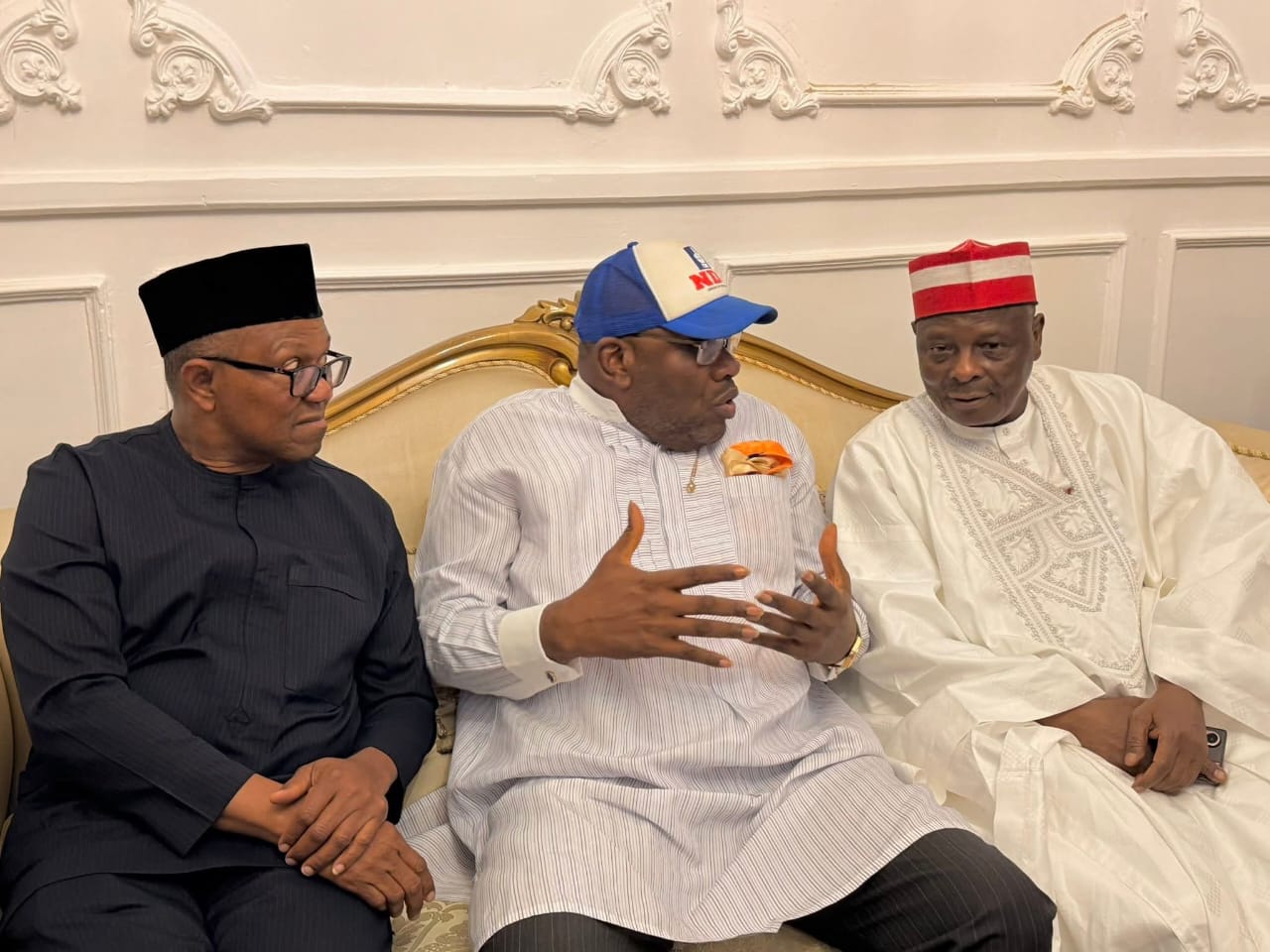
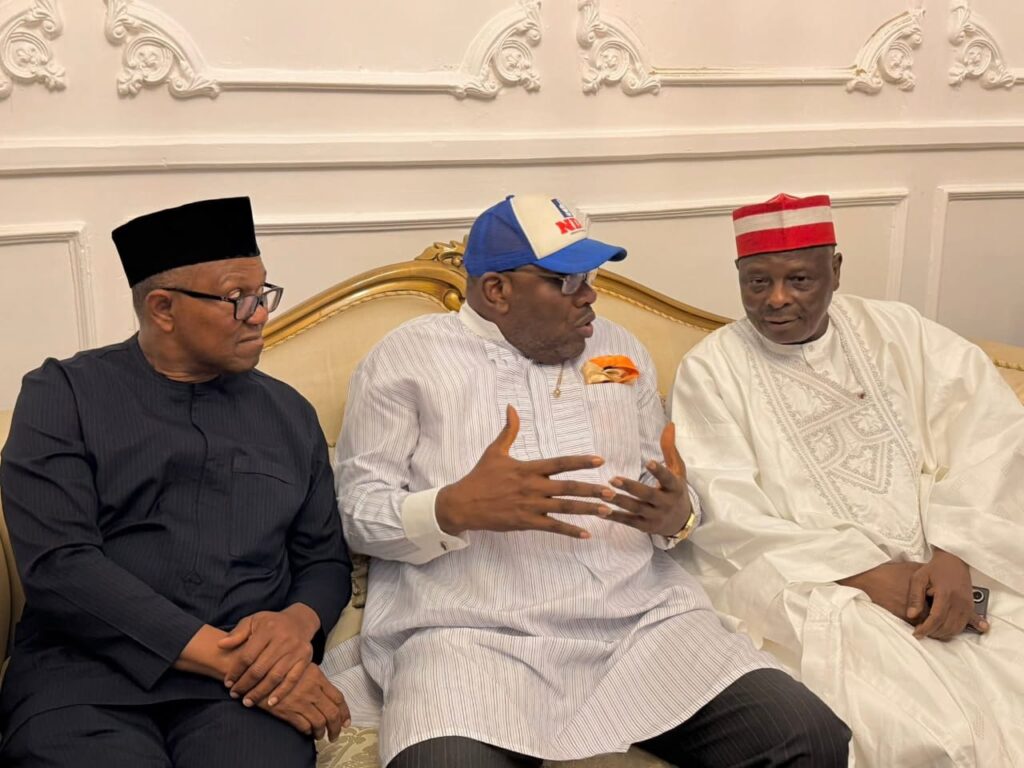
The two heavyweights left the ADC and held a strategic meeting in Abuja with NDC National Leader and former Bayelsa State governor, Senator Seriake Dickson, and other party leaders, concretising their move to the NDC.
The Peter Obi and Kwankwaso mass defections did not happen in a vacuum. Following a Supreme Court ruling last Thursday, the ADC and the Peoples Democratic Party (PDP) became what one political leader described as “uncertain platforms,” pushing leading opposition figures to seek safer ground before INEC’s May 10 membership register deadline.
Sources involved in coalition consultations say Obi had intensified engagements with NDC leaders amid growing concerns that the ADC may not provide a sufficiently stable platform, with insiders pointing to unresolved internal structures, uncertain presidential zoning, and ongoing litigation that could threaten ballot access.
For Kwankwaso, the calculation was similar. Chairman of the Kwankwasiya Movement, Revd Plus Ukachukwu, announced the defection formally, stating: “This decision is in the best interest of Nigeria and aligns with our goal to meet the aspirations of all citizens.”
Welcoming the defectors, Seriake Dickson described their decision as a sign of growing confidence in the NDC’s vision for inclusive governance and national transformation.
The ruling APC wasted no time firing back. The Presidency mocked Peter Obi, calling him a “political nomad” following his latest defection.
The Peter Obi and Kwankwaso mass defections are not isolated events. At the weekend, Governor Bala Mohammed of Bauchi State also exited the PDP for the Allied Peoples Movement (APM), as politicians scramble across party lines ahead of a tightening electoral clock.
Under the 2026 Electoral Act, any aspirant must have their name on their party’s membership register by May 10 to be eligible to contest, making the current window one of the most consequential in recent Nigerian political history.
Adding fresh fuel to the fire, popular journalist Rufai Oseni dropped a bombshell on Arise TV this morning, dismissing claims that Peter Obi abandoned the ADC over court cases. According to Oseni, Obi left because former Vice President Atiku Abubakar had effectively hijacked the party. In the explosive revelation, Oseni argued that the internal power dynamics, not the litigation, were the real reason behind the Peter Obi and Kwankwaso mass defections from the ADC. This aligns with reports that the ADC’s internal structure was seen as increasingly skewed in favour of rival aspirants, with competing blocs backing either an Obi/Kwankwaso ticket or an Atiku/Makinde arrangement.
An Obi and Kwankwaso alliance under the NDC could significantly reshape electoral calculations, combining South-east loyalty with Kano’s formidable political machinery, though analysts warn the coalition would still face serious hurdles including national spread, funding, and elite compromise.
Nigeria’s 2027 race is no longer a slow build. It has begun.
